College video chat sites can help adults meet people outside their existing circle, but the first video moment should not force full exposure. PixelPlanets connects this search to random chat, random voice chat, random video chat, pixel chat rooms, and stranger chat safety so people can choose the amount of presence they want before a conversation becomes more personal.
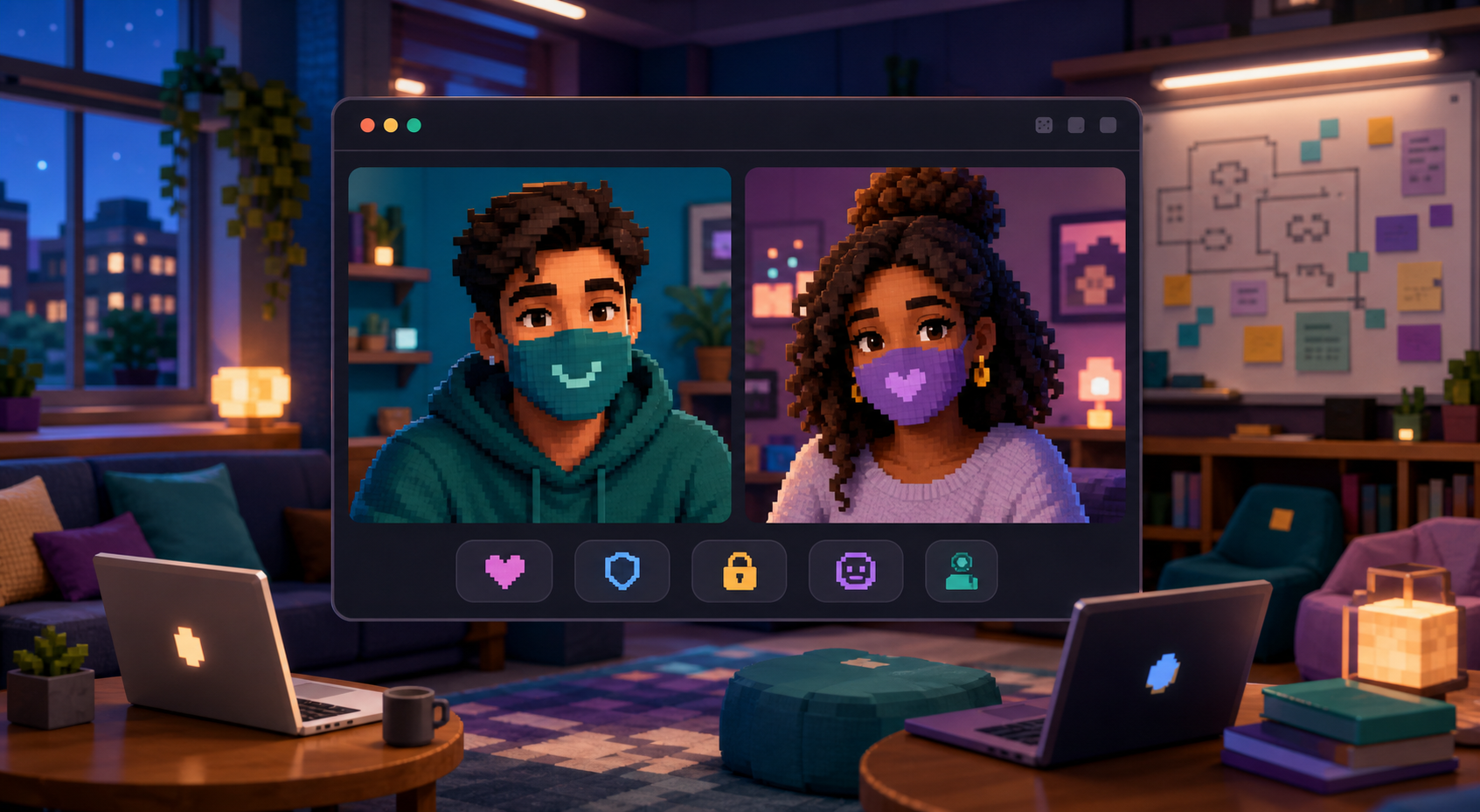
What Is College video chat site?
A college video chat site is an online place where college-aged adults can meet through video, voice, rooms, or chat prompts, usually with a more social goal than a work meeting tool. The important question is not only which site connects fastest, but which one gives people control over privacy, exits, and whether a conversation continues.
Why People Search for This
People search for college video chat site because they want a social way to meet students or peers, not just a generic video call app. A useful page should separate real product fit from hype: who it is for, what risks to avoid, and which chat mode makes sense first.
How to Choose a Lower-Pressure Option
Choose a college video chat option by looking at privacy controls, easy exits, whether video is required immediately, and whether voice or text can come first. A safer path is to start with random chat or random voice chat, then move toward random video chat only when both people want more presence.
- Start with text, room chat, or voice before turning on video.
- Use masked video when seeing each other matters but full exposure feels too fast.
- Keep campus, schedule, dorm, and real-name details private until trust is earned.
- Continue only when both people clearly want more time.
Better Options by Situation
- Start with text: Use random text chat when you want time to think before replying.
- Add voice: Use random voice chat when tone matters but camera feels too exposed.
- Use masked video: Use masked video chat when you want visual presence with privacy first.
- Try rooms: Use pixel chat rooms when you want to observe before approaching someone.
Safety Boundaries to Keep
- Keep full name, address, school, workplace, private accounts, phone number, payment details, documents, passwords, and live location private.
- Review stranger chat safety before using any video or stranger chat feature.
- Do not move off-platform because someone asks quickly.
- Leave if the conversation becomes sexual, aggressive, manipulative, or too personal.
- Prefer mutual continuation over pressure; a better chat should still let both people exit cleanly.
Common Mistakes to Avoid
- Choosing only the platform that feels fastest.
- Treating anonymous profiles or masks as complete protection.
- Ignoring whether the product is built for existing communities or meeting new people.
- Continuing a conversation after the first clear boundary is ignored.
Frequently Asked Questions
Are college video chat sites safe?
They can be safer when they include privacy controls, easy exits, reporting, and no pressure to reveal identity. Users still need clear boundaries.
Should a college video chat site require camera immediately?
No. A lower-pressure product should let people start with text, voice, rooms, or masked video before full camera exposure.
What should I not share in a college video chat?
Do not share your dorm, schedule, student ID, full name, phone number, private accounts, payment details, or live location.
Is masked video useful for college chat?
Yes. Masked video lets adults see presence and reactions while reducing first-minute exposure.
What is a better alternative to instant webcam chat?
A mix of random text chat, random voice chat, pixel rooms, and masked video gives users more control than instant webcam-only chat.
Conclusion
A college video chat site works best when it treats video as a gradual step, not the first thing users must give up. The stronger choice is usually the one that gives you smaller first steps, clearer exits, and more control over how much you reveal.